
Research Project 1: Community Care Implementation to Reduce Maternal Health Inequities
The Big Picture
Research Project 1 (RP1) will implement a multicomponent maternal support program and determine its effectiveness in improving participation and trust, reducing severe maternal morbidity, and improving maternal mental health within populations experiencing the greatest maternal health inequities in Mississippi, supporting the overall mission of the Mississippi Delta Center of Excellence for Maternal Health.

PUBLIC HEALTH RELEVANCE
- The Jackson State University (JSU) - Mississippi Delta Research Center of Excellence for Maternal Health was established to address preventable maternal mortality, decrease severe maternal morbidity, and promote maternal health in partnership with the Mississippi Delta community.
- This research center will conduct two multi-layered research projects utilizing community health partners, inclusive of an extensive research training program for early-stage investigators, to address the interpersonal and other factors that affect maternal outcomes.
- By establishing meaningful and sustainable partnerships with the community in all parts of the process, we envision that this research center will overcome social, economic, environmental, and interpersonal barriers to high-quality, culturally competent postpartum maternal care and ultimately reduce maternal morbidity and mortality for women residing in the Mississippi Delta.
The Overarching Goal

Determine the effectiveness of an evidenced-based community worker home visiting program grounded in extensive patient and community participation.
This research project will determine the effectiveness of a multicomponent maternal support program – focused on physical well-being, social work, mental health, and infant care – to reduce severe maternal morbidity within populations experiencing the greatest maternal health inequities in Mississippi.
Specific Aims/ Objectives

Aim 1: Establish an adapted multicomponent needs-based postpartum care and follow-up program in Mississippi. Leveraging our community partnerships, we will establish a home visiting program in selected counties in Mississippi most impacted by maternal health disparities and considered obstetric care deserts.
Aim 2: Evaluate the effectiveness of the postpartum care and follow-up program in improving uptake, trust, and satisfaction. We will investigate novel community participation methods to determine if the culturally responsive approach taken in our program results in more acceptance, greater service utilization, and better uptake of the program in the community.
Aim 3: Evaluate the effectiveness of the postpartum care and follow-up program in improving clinical and mental maternal health outcomes and disparities. We will assess rates of unattended postpartum emergency department visits, hospitalizations, and severe maternal morbidity by race, using electronic medical record and hospital discharge data. This will allow comparison of relevant outcomes across counties.
The Situation in Context
 As rates of mortality and serious complications during and after childbirth have increased in the United States, so has the focus on improving the quality of postpartum care to reverse these trends and eliminate preventable maternal mortality, severe maternal morbidity, and inequities (Mehta et al., 2021).
In recent years, postpartum care has been recognized as an important aspect of the continuum of women’s healthcare across the life cycle. Importantly, care during the postpartum period should involve not just a single visit to the gynecologist, but a series of visits tailored to the needs of the woman.
Evidence-based home visiting programs show measurable improvements in both maternal and newborn outcomes but have yet to show an impact on the persistently high maternal morbidity and mortality rates and the maternal healthcare disparities in the Mississippi Delta.
- The proposed home visiting program, an adapted multicomponent needs-based postpartum care and follow-up program for high-risk women, will address this gap in care.
- Nearly half of postpartum deaths occur within the first week. During the subacute (2–6 week) postpartum period, the leading causes of death and severe maternal morbidity include treatable conditions such as hypertension, cardiovascular diseases, hematologic and renal medical conditions, and blood clots (Petersen et al., 2019).
- Hence, the American College of Obstetricians and Gynecologists (ACOG) recommends that all women maintain contact with their healthcare providers within the first 3 weeks postpartum, followed by individualized ongoing care as needed.
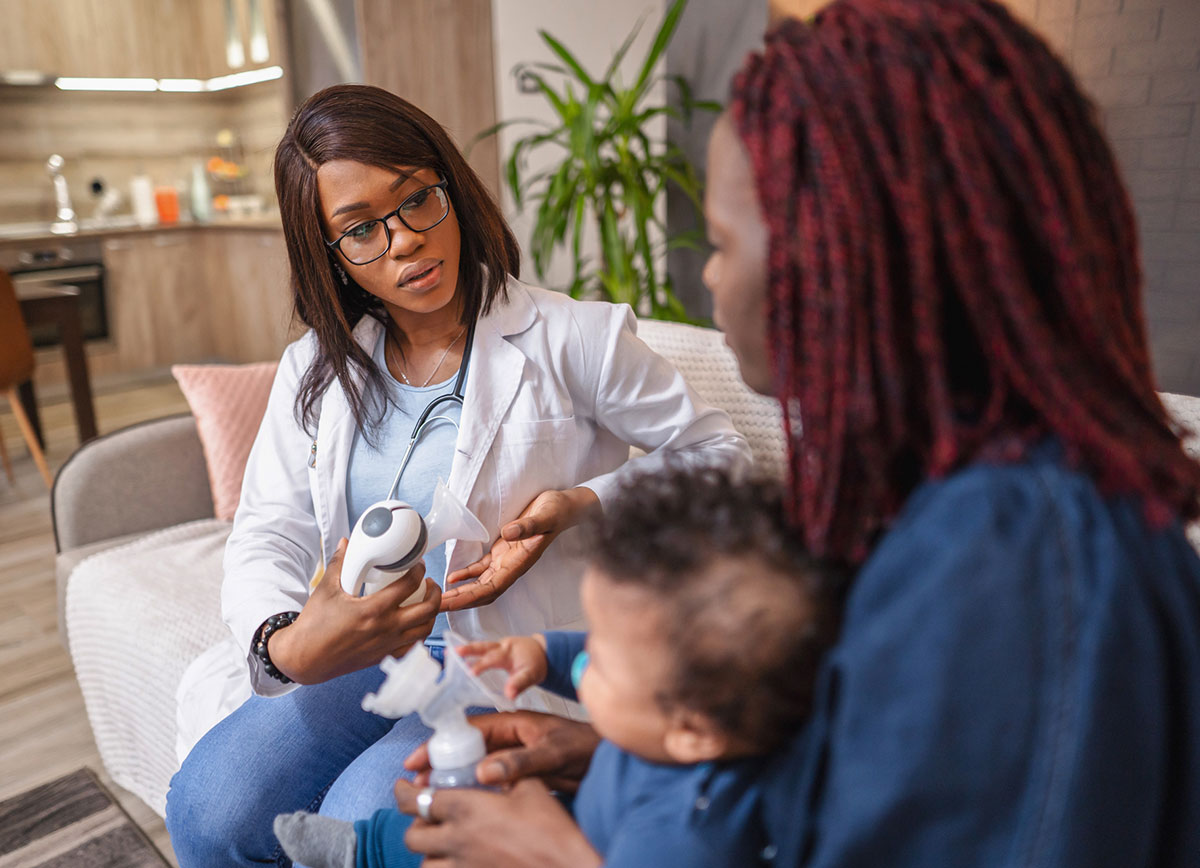
Postpartum care in the Mississippi Delta must encompass clinical health, mental health, and social support.
- Our postpartum home visiting program has been tailored to meet the various needs of at-risk mothers in underserved Mississippi communities.
Specifically, our evidence-based program elements focus on areas of key importance: (a) physical well-being and chronic disease management, (b) social work and financial support, (c) psychological well-being and sleep, and (d) infant care and feeding.
- Importantly, the program will expand the postpartum care period beyond a single 6-week postpartum check-up to include a minimum of four in-person visits (three within 3 weeks of hospital discharge and one visit after 12 weeks to discharge the mother).
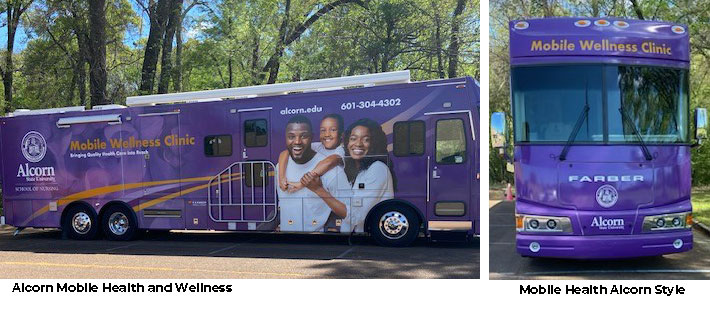
- Continued care will include further contacts (home visit, phone, text, mobile van, or telehealth) with the mother, scheduled by nurse/community maternal health worker team.
- Community maternal health workers with understanding of the community will be essential team members and serve as the primary contact for mothers. They will consult with the nurse after visits and at discharge.